
About the Promotion and Tenure Reception
All newly tenured or promoted faculty members are invited along with family members, deans and department heads to attend a reception hosted by Penn State’s President, the Executive Vice President and Provost, and the Dean of the University Libraries. Family plays a crucial role in the success of the honorees and their attendance is encouraged.
2026 Promotion & Tenure Recipients
Honorees' Book Selection
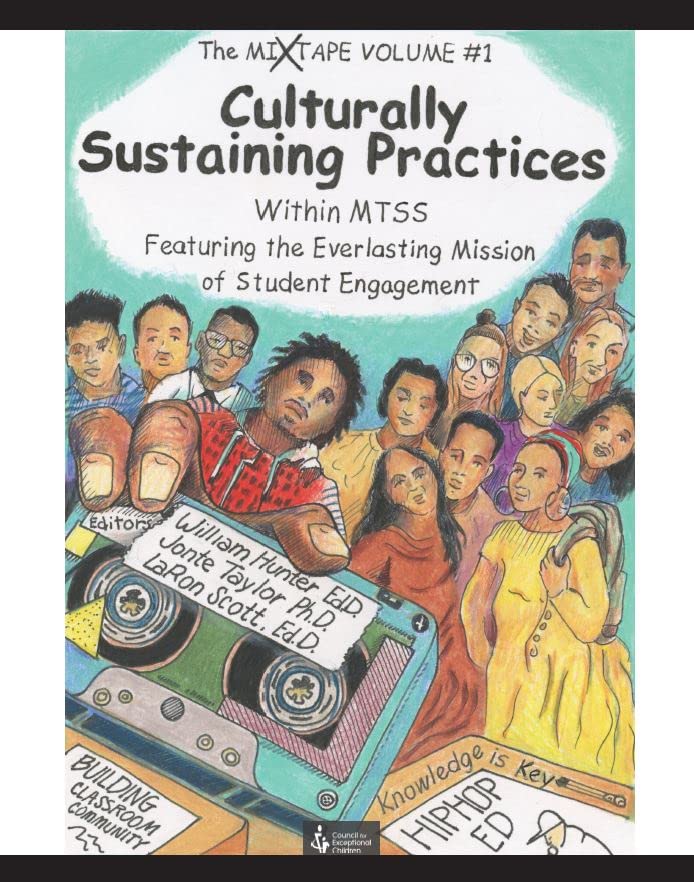
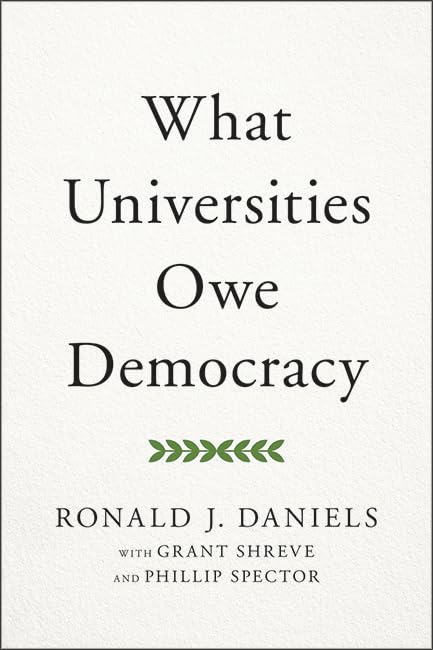
The Dean of the University Libraries invites each newly tenured or promoted faculty member to select a book that has deep personal meaning. It can be professional or personal, funny or serious. The book will be purchased by the University Libraries as a tribute to the faculty member and will become part of the Libraries’ collection. An electronic bookplate will be added to the Libraries' online search feature for the chosen book and will include name, rank, title, and year of promotion. The book can be in print or electronic form.
The selection must be available for purchase in the U.S. and cost less than $250.
In addition, each honoree is asked to provide a brief personal statement (maximum of 500 characters) indicating why this particular book was chosen and its importance to the honoree. Search for past book selections and personal statements by class in the "Previous Honorees" search feature above.
Each book (or a physical representation of it) and personal statement will be displayed at the Promotion and Tenure Reception.










































History of Promotion and Tenure Recognition
For the Penn State faculty member who receives a tenure or promotion letter in May of their sixth year at the University, it is a long-awaited and significant event.
Beyond its importance to faculty members, tenure also ensures the principles of academic freedom, a prerequisite of our free society. In 1900 when noted economist Edward Ross lost his job at Stanford University because Mrs. Leland Stanford didn’t like his views on immigrant labor and railroad monopolies, other professors were watching. The incident particularly influenced Arthur O. Lovejoy, philosopher at Johns Hopkins University.In 1915, he and John Dewey organized a meeting to form an organization to ensure academic freedom for faculty members and the American Association of University Professors (AAUP) was born. Most colleges and university nationwide, including Penn State, have adopted the AAUP tenure process.
Prior to 2003 at Penn State, when newly tenured or promoted faculty members were notified of their achievement, there wasn't a University-wide ceremony acknowledging this personal milestone. At the suggestion of former Vice Provost Robert Secor, and former Executive Vice President and Provost Rodney Erickson, a recognition program was implemented to recognize and praise faculty for their hard work and dedication toward achieving tenure or promotion. Secor first encountered the idea during a conversation with his counterparts at a Committee on Institutional Cooperation (the precursor of the Big Ten Academic Alliance/BTAA). This two-pronged recognition program began at Penn State with the 2003 class of honorees.